
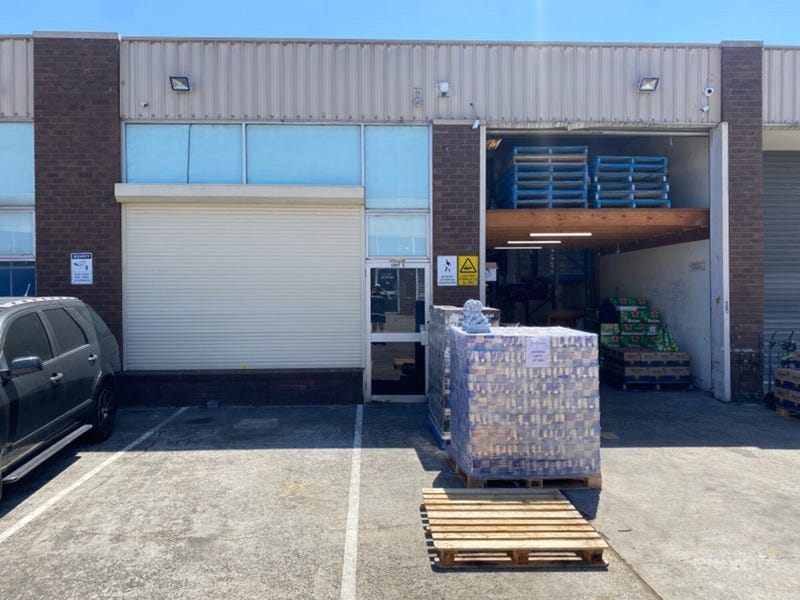
Reimagining Industrial Spaces for Modern Business Growth
We recognize that industrial spaces are no longer limited to storage, manufacturing, or logistics alone. In today’s competitive economy, these properties represent strategic business assets capable of generating substantial long-term value. When reimagined with precision, planning, and foresight, industrial spaces evolve into high-performing environments that fuel productivity, innovation, and profitability.
Modern businesses demand flexibility, scalability, and efficiency. Industrial properties, when transformed intelligently, meet these demands better than many traditional commercial spaces. Their structural strength, expansive layouts, and adaptable zoning make them ideal foundations for multi-functional business operations.
Strategic Value of Industrial Real Estate Assets
Industrial spaces offer exceptional intrinsic value due to their location, infrastructure, and operational efficiency. Positioned near transport hubs, highways, ports, and urban centers, these spaces reduce logistical friction and enhance supply chain effectiveness.
From a business asset perspective, industrial properties deliver:
-
Lower acquisition and renovation costs
-
Higher return on investment (ROI)
-
Long-term lease stability
-
Operational scalability
We approach industrial real estate as a profit-generating engine, not a static structure. By aligning property potential with business objectives, organizations unlock hidden value embedded in underutilized industrial environments.
Adaptive Reuse: Transforming Function Without Rebuilding
Adaptive reuse stands at the core of industrial transformation. Rather than demolishing existing structures, we repurpose industrial spaces to meet evolving business needs. This approach preserves structural integrity while introducing modern functionality.
Common adaptive reuse transformations include:
-
Warehouses converted into corporate offices
-
Factories transformed into innovation hubs
-
Industrial sheds repurposed as e-commerce fulfillment centers
-
Storage facilities redesigned as data centers
Adaptive reuse minimizes waste, shortens project timelines, and enhances sustainability, all while maximizing asset performance.
Designing Industrial Spaces for Operational Efficiency
Design optimization is critical when converting industrial spaces into business assets. We focus on workflow efficiency, spatial intelligence, and functional zoning to ensure every square foot contributes to business outcomes.
Key design principles include:
-
Open-plan layouts for flexibility
-
High ceilings for vertical storage and equipment
-
Optimized lighting systems to reduce energy consumption
-
Efficient floor loading capacity to support heavy machinery
-
Integrated technology infrastructure
A well-designed industrial space directly improves employee productivity, operational speed, and cost control.
Technology Integration for Smart Industrial Assets
Technology transforms industrial spaces into intelligent business environments. We integrate smart systems that provide real-time data, automation, and control across operations.
Essential technology integrations include:
-
IoT-enabled monitoring systems
-
Automated inventory management
-
Smart energy management solutions
-
Advanced security and access control
-
Predictive maintenance platforms
These technologies enhance asset efficiency, reduce downtime, and enable data-driven decision-making, positioning industrial properties as future-ready business assets.
Sustainability as a Competitive Business Advantage
Sustainability is no longer optional; it is a core asset value driver. Industrial spaces offer immense potential for sustainable transformation due to their size and infrastructure.
We prioritize:
-
Solar energy installations
-
Energy-efficient HVAC systems
-
Water recycling and rainwater harvesting
-
Sustainable insulation and materials
-
Waste reduction and recycling systems
Sustainable industrial assets reduce operating costs, meet regulatory requirements, and strengthen brand credibility while attracting environmentally conscious partners and clients.
Industrial Spaces as Revenue-Generating Assets
Beyond internal operations, industrial spaces can be monetized through diversified revenue models. When structured strategically, these properties generate continuous income streams.
Revenue opportunities include:
-
Multi-tenant leasing
-
Logistics and fulfillment services
-
Cold storage and specialized warehousing
-
Co-manufacturing and shared facilities
-
Commercial subleasing
By aligning space utilization with market demand, industrial properties evolve into scalable income-producing assets.
Compliance, Zoning, and Regulatory Optimization
Regulatory alignment plays a crucial role in asset transformation. We ensure that industrial spaces comply with zoning laws, safety regulations, and environmental standards to avoid operational disruptions.
Optimized compliance enables:
-
Faster approvals
-
Reduced legal risks
-
Expanded operational permissions
-
Increased property valuation
A compliant industrial asset becomes more attractive to investors, tenants, and strategic partners.
Workforce-Centric Industrial Environments
Human capital drives business success. We design industrial spaces that prioritize employee comfort, safety, and efficiency, transforming them into productive workplaces.
Workforce-focused enhancements include:
-
Ergonomic layouts
-
Improved ventilation and air quality
-
Noise reduction systems
-
Break areas and amenities
-
Safe material handling zones
A well-designed industrial environment reduces turnover, improves morale, and enhances operational performance.
Risk Mitigation and Long-Term Asset Protection
Industrial assets must be resilient. We incorporate risk mitigation strategies to protect investments against operational, environmental, and market risks.
Key risk management measures include:
-
Structural reinforcements
-
Fire suppression and safety systems
-
Flood and climate resilience planning
-
Insurance optimization
-
Asset lifecycle planning
These measures safeguard asset value and ensure long-term operational continuity.
Industrial Spaces as Catalysts for Business Expansion
Scalability defines successful businesses. Industrial spaces provide unmatched flexibility to expand operations without relocation. Modular layouts, expandable zones, and adaptable infrastructure allow businesses to grow seamlessly.
This scalability reduces capital expenditure and accelerates market responsiveness, turning industrial properties into growth enablers rather than constraints.
Maximizing Asset Valuation Through Strategic Positioning
Asset valuation increases when industrial spaces are positioned strategically within the market. We focus on:
-
Market demand alignment
-
Industry-specific customization
-
Location-based advantages
-
Infrastructure optimization
A strategically positioned industrial asset commands higher lease rates, attracts premium tenants, and delivers superior investment returns.
Future-Proofing Industrial Business Assets
The future of business demands agility. We future-proof industrial spaces by designing them to adapt to emerging trends such as automation, AI-driven logistics, advanced manufacturing, and hybrid business models.
Future-ready industrial assets remain competitive, relevant, and profitable despite market shifts.
Conclusion: Unlocking the Full Potential of Industrial Spaces
Turning industrial spaces into business assets is a strategic transformation that combines design intelligence, technological integration, sustainability, and operational foresight. When executed effectively, industrial properties evolve into powerful platforms that support growth, efficiency, and long-term profitability.
By viewing industrial spaces not as static facilities but as dynamic business assets, organizations unlock untapped value and position themselves for sustained success in a rapidly changing commercial landscape.