
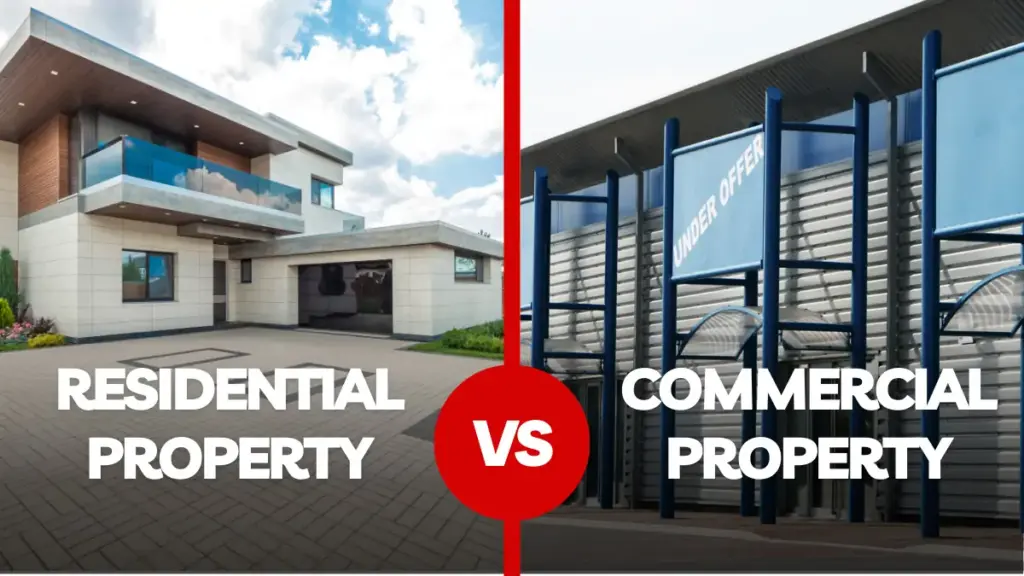
For the established property investor, the shift from residential to industrial is often sparked by a search for “better numbers.” However, a sophisticated strategy requires looking beyond the face yield to the structural differences in how these assets behave over time. In 2026, the gap between these two asset classes has widened, specifically regarding net profitability.
The Cash Flow Divergence: Gross vs. Net
In the residential sector, the “gross-to-net” leakage is a constant frustration. Even with a high-performing residential asset, the landlord is burdened with rates, insurance, water charges, and the ever-increasing costs of compliance and maintenance. In many cases, a 4% gross residential yield evaporates into a 2% net return after taxes and outgoings.
Industrial property operates on a Net Lease basis. In this structure, the tenant is typically responsible for 100% of the outgoings. This includes council and water rates, building insurance, and even land tax in many jurisdictions. For the investor, this creates a “pure” income stream where the yield is protected from the rising costs of municipal services.
Redefining Risk: Frequency vs. Severity
The perceived “safety” of residential property is built on the fact that everyone needs a roof over their head. While true, this is a macro safety. On a micro level, residential risk is high-frequency: minor repairs, tribunal disputes, and frequent tenant turnover.
Industrial risk is lower-frequency but requires more strategic management. A vacancy in a warehouse may last longer than in a house, requiring a more robust cash buffer. However, this is balanced by significantly longer lease terms (often 3 to 5 years with further options) and a business-to-business relationship governed by commercial law rather than the more restrictive residential tenancies acts. You are not just a landlord; you are a provider of essential business infrastructure.
The Control Element: Hard-Coded Growth
Industrial investors enjoy a level of control over their asset’s performance that is rare in the residential market. Rent reviews are usually “hard-coded” into the lease—often fixed at 3% or 4% or linked to the Consumer Price Index (CPI). This provides an automated hedge against inflation. In an era of economic shift, this predictable, contractual growth is a primary driver for the move toward industrial assets.
Disclaimer
This content is general information only and does not constitute financial, legal, or investment advice. Residential and industrial property carry different risk profiles, lease structures, and regulatory considerations. Individual outcomes depend on asset selection, tenant quality, and personal circumstances, and independent advice should be obtained before making investment decisions.
Evaluate whether industrial property offers better control and net outcomes for your portfolio
Beyond headline yields, lease structure, expense responsibility, and contractual rent growth materially affect long-term performance. A structured comparison can help investors determine if industrial assets align more closely with their income and risk objectives.