
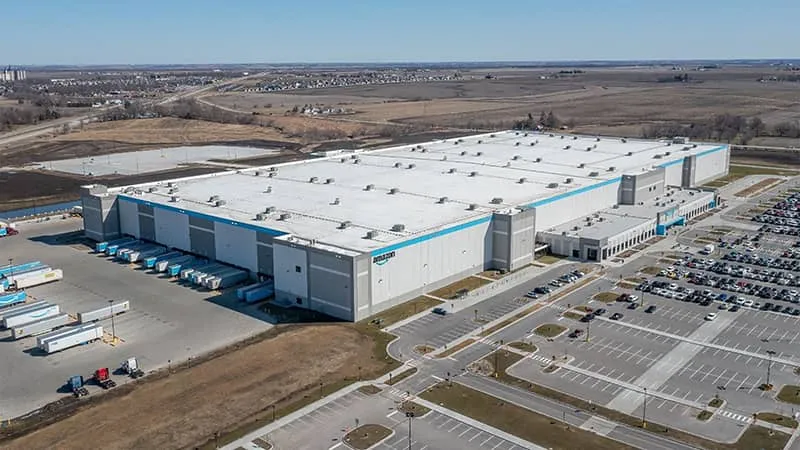
Buying industrial property is one of the most strategic decisions a business owner or investor can make. Unlike residential real estate, industrial property is closely tied to operational efficiency, tenant stability, and long-term capital growth. Understanding the nuances before committing can mean the difference between a profitable investment and an expensive mistake. At Elevate Real Estate, we help clients navigate these complex decisions with insight, experience, and market knowledge.
1. Location and Accessibility
Location remains the single most important factor in industrial property value. Properties near major transport corridors, ports, or logistic hubs attract higher-quality tenants and command premium rents. For owner-occupiers, proximity to suppliers, staff, and customers directly impacts operational efficiency. Evaluating the surrounding infrastructure, traffic patterns, and potential for future developments ensures that the property remains viable in the long term.
2. Zoning and Planning Regulations
Zoning restrictions, overlay controls, and local council regulations determine what can and cannot be developed or modified. A property that looks ideal today may be restricted from expansion or specific operational uses. Conducting thorough due diligence with planning authorities and understanding future rezoning potential can unlock hidden value and prevent costly compliance issues.
3. Financial Viability
A property’s purchase price is just the beginning. Investors must consider projected rental income, lease structure, operating costs, maintenance obligations, and potential capital gains. Evaluating metrics like yield, net operating income, and long-term cash flow projections ensures you make a financially sound decision.
4. Tenant and Operational Suitability
For owner-occupiers, the internal layout, ceiling height, loading dock access, and storage capacity directly affect business efficiency. For investors, assessing tenant profiles, lease terms, and covenant strength ensures consistent rental income. Aligning the property with operational or investment objectives is critical.
5. Future Market Potential
Melbourne’s industrial market evolves with population growth, e-commerce demand, and infrastructure investment. Properties in growth corridors or areas with planned transport and logistics projects can deliver significant long-term capital appreciation. Identifying areas with high tenant demand and limited supply can increase both cash flow and exit value.
Conclusion:
Buying industrial property is a strategic decision that requires careful planning, market knowledge, and operational insight. With Elevate Real Estate, clients gain access to expert advice, off-market opportunities, and comprehensive due diligence — ensuring every property purchase contributes to long-term success.