
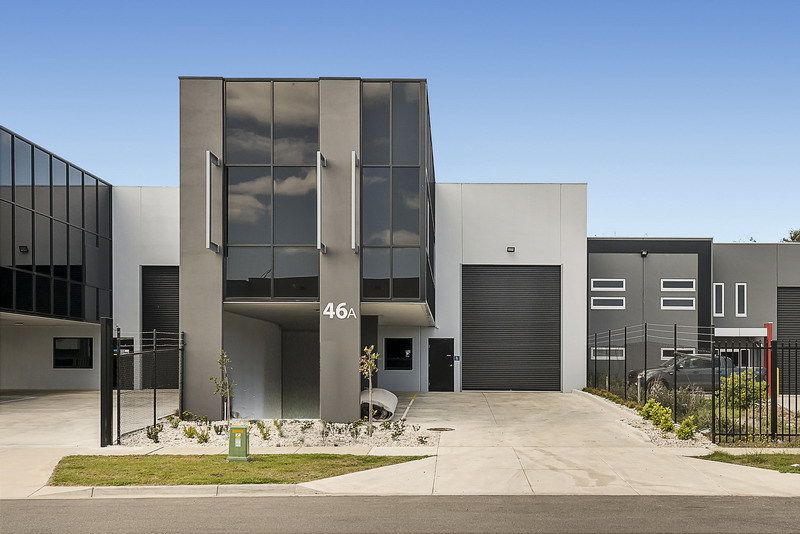
Location as the Foundation of Industrial Property Value
In industrial real estate, location remains the single most decisive factor influencing asset performance, tenant demand, and long-term value. While design, technology, and sustainability continue to evolve, location consistently determines how effectively an industrial property supports business operations. We see location not as a static attribute, but as a strategic advantage that directly impacts efficiency, profitability, and resilience.
Industrial assets thrive when positioned in locations that reduce friction across supply chains, enhance workforce access, and integrate seamlessly with regional infrastructure. No amount of internal upgrades can compensate for a poorly chosen location.
Proximity to Transport and Logistics Infrastructure
Industrial operations depend on movement—of goods, materials, and people. Locations with direct access to major transport corridors deliver measurable operational advantages.
Key location drivers include:
-
Immediate access to highways and arterial roads
-
Proximity to ports, airports, and intermodal terminals
-
Connectivity to rail freight networks
Industrial properties positioned near logistics infrastructure reduce transit times, lower fuel costs, and improve delivery reliability. These efficiencies translate directly into higher tenant retention and premium rental performance.
Supply Chain Efficiency and Last-Mile Advantage
Modern supply chains prioritise speed and reliability. The rise of e-commerce and just-in-time inventory models has amplified the importance of last-mile industrial locations.
Well-located industrial assets enable:
-
Faster order fulfillment
-
Reduced inventory holding costs
-
Improved customer satisfaction
-
Greater flexibility during demand surges
Industrial properties closer to population centres or major distribution nodes outperform peripheral locations, particularly in sectors requiring rapid turnaround.
Workforce Accessibility and Operational Continuity
An industrial facility is only as effective as the workforce it attracts and retains. Locations that provide easy access to skilled labour pools offer a significant competitive edge.
We prioritise locations that deliver:
-
Public transport accessibility
-
Short commute times
-
Proximity to residential growth areas
Industrial tenants consistently favour properties where employees can arrive reliably and efficiently. Workforce-friendly locations reduce absenteeism, improve productivity, and support long-term operational stability.
Zoning Strength and Planning Flexibility
Location determines not only where an industrial property sits, but what it can legally and practically be used for. Strong industrial zoning enhances asset versatility and future-proofing.
Strategically zoned locations allow for:
-
Broader industrial use classifications
-
Expansion or redevelopment opportunities
-
Easier regulatory approvals
Industrial properties in tightly constrained or non-conforming zones face limitations that restrict growth and reduce liquidity. Location-backed zoning flexibility preserves asset adaptability across market cycles.
Market Demand and Tenant Competition
Industrial locations with proven demand consistently outperform secondary areas. We observe that tenant competition intensifies in prime industrial precincts, driving rental growth and compressing vacancy rates.
High-demand locations benefit from:
-
Faster leasing cycles
-
Stronger covenant tenants
-
Longer lease terms
-
Higher renewal probabilities
This depth of demand creates income stability and enhances asset valuation regardless of broader economic conditions.
Capital Growth Driven by Land Scarcity
Land scarcity amplifies the importance of location. Well-located industrial land becomes increasingly valuable as cities expand and infrastructure investment concentrates.
Prime locations experience:
-
Limited new land supply
-
Rising replacement costs
-
Stronger long-term capital appreciation
Industrial assets in strategic locations benefit from structural value growth, not just cyclical market movements. This scarcity-driven appreciation reinforces location as a long-term wealth driver.
Infrastructure Investment and Government Priorities
Public and private infrastructure investment follows strategic locations. Governments prioritise freight efficiency, industrial productivity, and economic growth by upgrading transport corridors and industrial hubs.
Industrial properties located within these priority zones benefit from:
-
Improved connectivity
-
Increased tenant interest
-
Enhanced long-term relevance
Location alignment with infrastructure planning strengthens asset performance well beyond the initial investment horizon.
Risk Mitigation Through Location Selection
Location reduces risk across multiple dimensions of industrial real estate ownership. Prime locations provide liquidity, resilience, and adaptability during market fluctuations.
Well-located industrial assets offer:
-
Strong resale demand
-
Lower vacancy risk
-
Faster recovery during downturns
In contrast, secondary or remote locations experience sharper value swings and prolonged leasing challenges. Location acts as a natural hedge against market volatility.
Sustainability and Operational Efficiency Benefits
Sustainability goals are increasingly tied to location. Industrial properties in accessible locations reduce transport emissions and support efficient logistics planning.
Location-driven sustainability benefits include:
-
Shorter delivery routes
-
Lower fuel consumption
-
Reduced environmental footprint
These advantages support tenant ESG commitments and enhance the long-term competitiveness of industrial assets.
Technological Evolution Reinforces Location Importance
Automation, robotics, and smart logistics systems have transformed industrial operations, but they have not diminished the role of location. Instead, technology amplifies location advantages by maximising efficiency where infrastructure and connectivity already exist.
High-tech industrial operations still require:
-
Reliable power and data networks
-
Transport efficiency
-
Proximity to service providers
Technology performs best when anchored in strategically selected locations.
Investor Confidence and Asset Liquidity
Investors consistently prioritise location when allocating capital to industrial real estate. Assets in prime locations attract stronger buyer interest, tighter yield compression, and higher transaction volumes.
Location-driven liquidity ensures:
-
Easier exit strategies
-
Competitive bidding environments
-
Strong valuation benchmarks
This investor confidence further reinforces the dominance of location in industrial property decision-making.
Conclusion: Location as the Ultimate Industrial Advantage
In industrial real estate, trends evolve and markets shift, but location remains irreplaceable. It underpins operational efficiency, tenant demand, income stability, and long-term capital growth. Design enhancements and technological upgrades add value, but they cannot overcome the limitations of a weak location.
We view location as the foundation upon which every successful industrial property strategy is built. Assets positioned in the right locations consistently outperform, adapt faster, and retain relevance across economic cycles. In industrial real estate, location does not just matter—it defines success.