
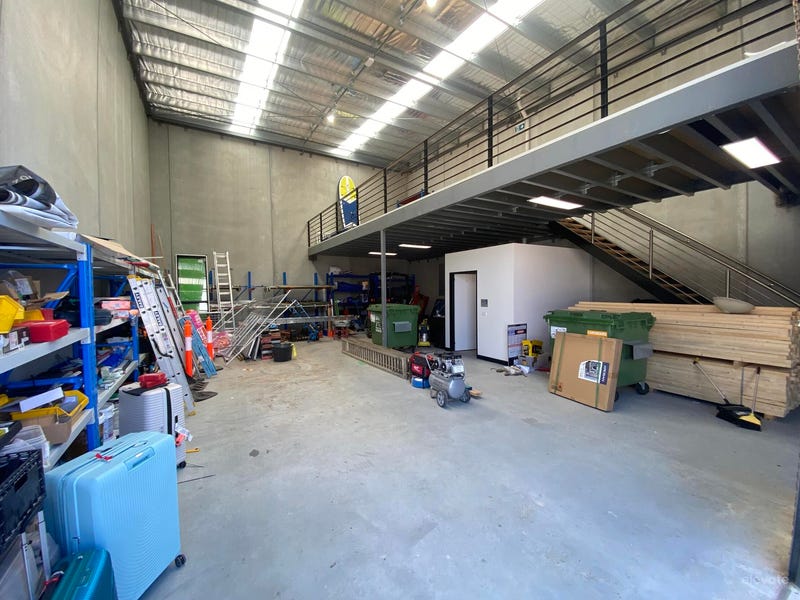
Industrial real estate is not a beginner-friendly investment space.Unlike residential deals, industrial transactions demand precision and foresight.Therefore, experience becomes a decisive advantage in every stage.
Moreover, mistakes in this sector often cost millions.
Understanding the Complexity of Industrial Real Estate
Industrial properties serve specialised operational needs.Warehouses, factories, and logistics hubs require technical evaluation.As a result, general real estate knowledge often falls short. Experience bridges that gap effectively.
Market Knowledge Drives Smarter Decisions
Experienced professionals understand local market behavior deeply. They track demand patterns across industrial corridors consistently. Consequently, they identify high-growth zones earlier. In contrast, inexperience leads to reactive decisions.
Location Analysis Requires Industry Insight
Location determines operational efficiency and long-term value. Access to highways influences logistics performance significantly. Similarly, proximity to ports impacts transportation costs. Experienced advisors prioritize these factors naturally.
Zoning and Compliance Are Not Optional
Industrial zoning laws vary across municipalities. Environmental regulations add further complexity.
Therefore, experienced guidance ensures legal compliance. Without it, projects face costly delays.
Financial Structuring Benefits From Experience
Industrial deals involve long-term financial commitments. Lease structures often differ from standard commercial terms.
As a result, cash flow forecasting requires expertise. Experienced professionals model risks accurately.
Negotiation Power Comes With Experience
Seasoned negotiators understand industrial market leverage. They secure better lease incentives consistently.
Additionally, they protect clients from unfavorable clauses. Inexperience weakens negotiating positions quickly.
Risk Identification Protects Long-Term Value
Every industrial asset carries hidden risks. Soil contamination remains a common concern. Structural limitations also impact tenant flexibility. Experienced professionals detect these risks early.
Tenant Selection Shapes Asset Performance
Tenant quality defines income stability.Experienced advisors assess operational compatibility carefully. They also evaluate tenant credit strength thoroughly.Poor selection increases vacancy risk.
Operational Requirements Demand Specialised Knowledge
Industrial tenants need specific infrastructure.Power capacity influences manufacturing operations directly.
Floor load ratings affect storage efficiency.Experience ensures proper alignment.
Market Cycles Require Strategic Timing
Industrial markets move in long cycles. Experienced investors recognize cycle transitions early. Therefore, they time acquisitions strategically. Beginners often chase peaks unknowingly.
Technology Integration Enhances Asset Appeal
Modern industrial facilities require automation readiness. Experienced professionals anticipate future technology needs.
Consequently, assets remain competitive longer. Outdated buildings lose relevance fast.
Redevelopment Opportunities Reward Experience
Older industrial assets offer hidden upside. Experienced investors identify redevelopment potential quickly.
Minor upgrades often unlock higher rents. Inexperience overlooks these opportunities.
Sustainability Adds Long-Term Value
Sustainable industrial properties attract premium tenants. Energy efficiency reduces operating expenses steadily.
Experienced advisors integrate ESG considerations early. This approach future-proofs investments.
Portfolio Strategy Benefits From Expertise
Industrial portfolios require diversification. Experienced professionals balance asset types effectively.
They also manage geographic exposure wisely. This strategy stabilizes long-term returns.
Exit Planning Starts at Acquisition
Exit strategy matters from day one. Experienced advisors structure deals with flexibility.
They consider resale and leasing appeal early. Poor planning limits exit options.
Common Mistakes Inexperienced Investors Make
Many underestimate operating costs initially. Others ignore long-term infrastructure needs.
Some chase low prices over quality. Experience prevents these errors.
Why Experience Reduces Total Investment Cost
Experience lowers risk-adjusted costs over time. Fewer mistakes preserve capital efficiently.
Better decisions compound returns steadily. Inexperience proves expensive eventually.
Conclusion: Experience Is the True Competitive Edge
Industrial real estate rewards knowledge and discipline. Experience transforms complexity into opportunity.
Therefore, seasoned guidance protects and multiplies value. Ultimately, experience defines success in industrial real estate.
Work with experience when navigating industrial real estate decisions
From zoning and tenant selection to financial structuring and exit planning, industrial property rewards informed execution. Leveraging experienced insight can help reduce risk, avoid costly errors, and position assets for long-term performance.