
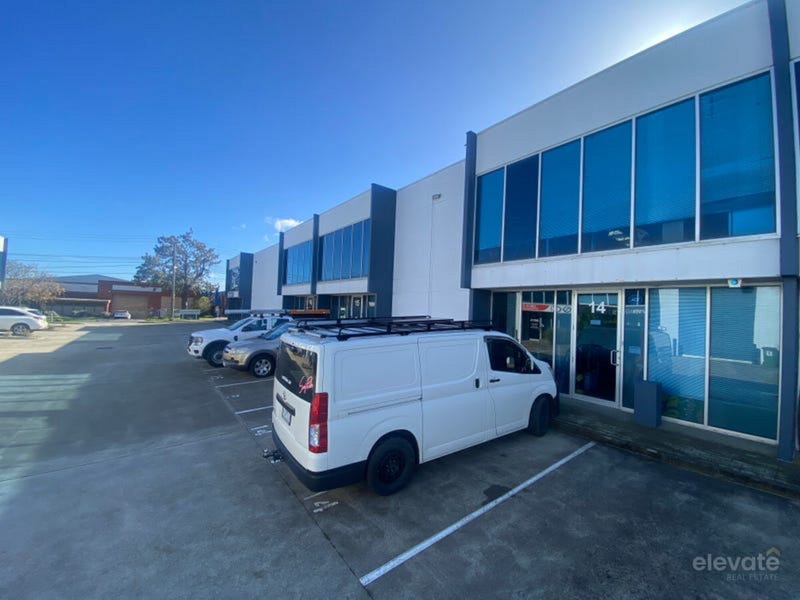
Melbourne’s industrial real estate market continues to attract strong investor and business interest.
However, value creation requires more than simply buying space.
Therefore, a clear strategy, market insight, and timing remain essential.
Moreover, industrial demand keeps evolving with logistics and manufacturing growth.
Understanding Melbourne’s Industrial Property Landscape
Melbourne offers diverse industrial zones across key growth corridors.
Additionally, infrastructure investment keeps improving regional connectivity.
Consequently, well-located assets deliver stronger long-term returns.
However, zoning complexity demands careful evaluation before acquisition.
Why Location Drives Industrial Property Value
Location remains the strongest value driver in industrial real estate.
For instance, proximity to ports reduces transportation costs significantly.
Likewise, highway access improves logistics efficiency and tenant appeal.
Therefore, investors should prioritize access over short-term price savings.
Demand Trends Shaping Industrial Real Estate in Melbourne
E-commerce growth continues to push warehouse demand upward.
Meanwhile, manufacturing reshoring supports demand for modern facilities.
As a result, vacancy rates remain historically low.
Moreover, rental growth stays resilient across prime industrial zones.
Strategic Asset Selection for Maximum Returns
Not every industrial asset offers the same value potential.
Thus, investors must assess building specifications carefully.
For example, ceiling height impacts storage efficiency directly.
Similarly, floor load capacity affects tenant flexibility and longevity.
Leasing Strategies That Improve Asset Performance
Strong leasing strategies stabilize cash flow and boost valuations.
Additionally, long-term leases attract institutional buyers later.
However, flexibility clauses protect landlords during market shifts.
Therefore, balanced lease structures deliver sustainable performance.
Optimising Industrial Property Through Redevelopment
Older assets often hide untapped potential.
For instance, minor upgrades can unlock higher rents.
Moreover, redevelopment attracts premium logistics tenants.
Consequently, capital expenditure often delivers outsized returns.
The Role of Zoning and Compliance
Industrial zoning laws vary across Melbourne municipalities.
Therefore, due diligence remains non-negotiable.
Additionally, environmental compliance protects long-term asset value.
Otherwise, regulatory issues can stall operations unexpectedly.
Technology as a Value Multiplier
Modern industrial tenants expect technology-ready facilities.
For example, automation-friendly layouts increase leasing appeal.
Meanwhile, smart energy systems reduce operating costs.
As a result, tech-enabled properties command stronger rents.
Sustainability and ESG in Industrial Real Estate
Sustainability now influences investor and tenant decisions.
Additionally, energy-efficient buildings lower long-term expenses.
Therefore, green upgrades enhance brand reputation and valuation.
Moreover, ESG compliance future-proofs industrial investments.
Capital Structure and Financing Considerations
Smart financing amplifies industrial property returns.
For instance, fixed-rate loans protect against interest volatility.
Meanwhile, conservative leverage reduces downside risk.
Thus, capital structure decisions directly impact overall performance.
Risk Management in Industrial Investments
Every industrial asset carries operational and market risks.
However, experienced analysis minimizes exposure effectively.
Additionally, tenant diversification improves income stability.
Consequently, risk-adjusted returns improve over time.
Timing the Market for Industrial Acquisitions
Market timing influences entry and exit success.
Nevertheless, industrial assets reward long-term ownership.
Therefore, focus should remain on fundamentals, not speculation.
Moreover, supply constraints support ongoing value appreciation.
Working With Industrial Real Estate Experts
Expert guidance accelerates smarter decision-making.
For example, advisors identify off-market opportunities early.
Additionally, negotiation expertise secures favorable deal terms.
Thus, professional support enhances investment outcomes.
Common Mistakes That Reduce Industrial Property Value
Many investors underestimate operating expenses initially.
Similarly, poor tenant selection increases vacancy risk.
However, proactive management avoids these pitfalls.
Therefore, disciplined execution protects asset performance.
Future Outlook for Melbourne’s Industrial Market
Melbourne’s industrial sector shows strong long-term fundamentals.
Furthermore, population growth supports logistics expansion.
Consequently, demand should remain robust across key corridors.
Overall, strategic positioning will separate winners from average performers.
Conclusion: Building Long-Term Value in Industrial Real Estate
Maximising value in Melbourne’s industrial real estate requires strategy and discipline.
Moreover, informed decisions outperform reactive choices consistently.
Therefore, investors should focus on location, tenants, and adaptability.
Ultimately, well-managed industrial assets deliver resilient, long-term growth.